Overview
Project Codename: Sentinel
The project name has been changed for confidentiality purposes. While the implementation approach and business challenges remain accurate, the codename is used to protect internal project information.
Many organizations struggle with visibility.
Critical information exists across departments, teams, spreadsheets, emails, reports, and disconnected systems. Leadership often receives information too late, operational teams work with incomplete data, and decision-making becomes reactive rather than proactive.
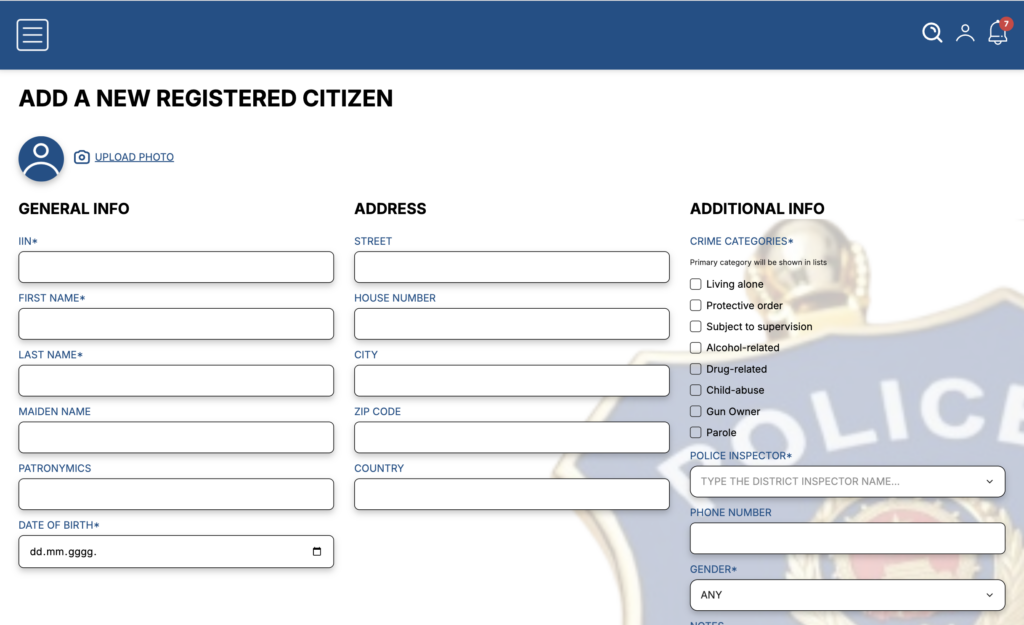
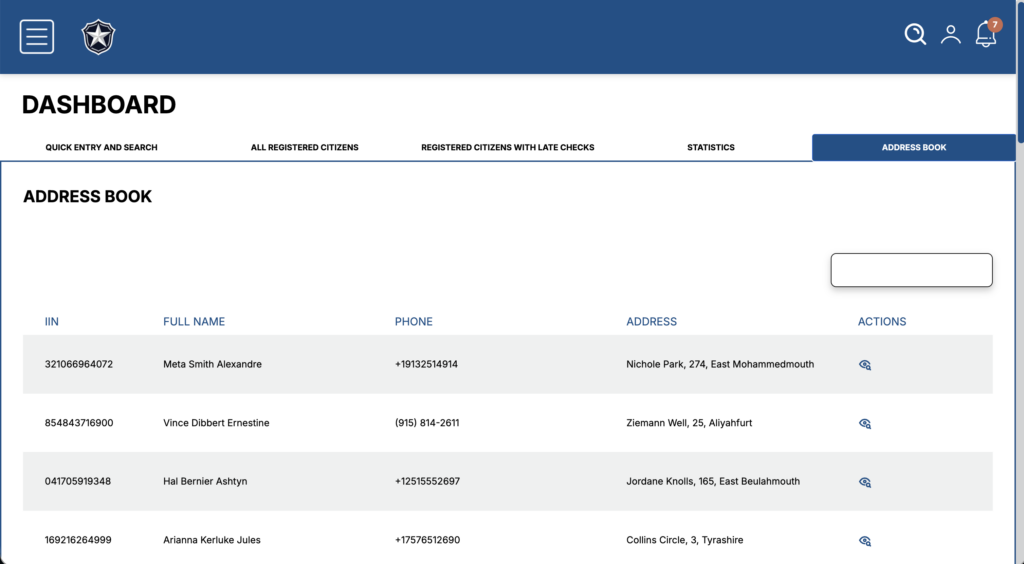
The objective behind Project Sentinel was to create a centralized operational platform capable of providing structured visibility across multiple organizational levels while improving reporting, accountability, and decision-making.
Rather than introducing another isolated tool, the goal was to build a system that could become a single source of operational truth.
The Challenge
As organizations grow, operational complexity grows with them.
Information becomes fragmented across departments, reporting standards become inconsistent, and leadership teams often lack real-time visibility into ongoing activities.
Existing workflows relied heavily on manual processes, making reporting time-consuming and increasing the likelihood of incomplete or inconsistent information.
The organization required a system capable of:
- Centralizing operational information
- Standardizing reporting processes
- Improving oversight across multiple levels
- Reducing manual administrative work
- Providing actionable operational insights
- Supporting future organizational growth
The challenge was not simply collecting data.
The challenge was transforming information into visibility.
Discovery and System Analysis
Before defining features, we focused on understanding how information moved through the organization.
This included:
- Stakeholder interviews
- Existing workflow analysis
- Reporting process mapping
- Role and permission requirements
- Escalation and approval structures
- Organizational visibility requirements
The goal was to identify where information originated, how it moved through the organization, and where bottlenecks occurred.
This process revealed numerous opportunities to simplify reporting, improve transparency, and reduce administrative overhead.
Designing the Platform
The platform was designed around a core principle:
The right information should reach the right people at the right time.
To achieve this, several key architectural decisions were made.
Structured Reporting Framework
Reporting processes were standardized across all organizational units to ensure consistency and clarity.
This reduced ambiguity and improved the reliability and quality of operational data.
Multi-Level Visibility
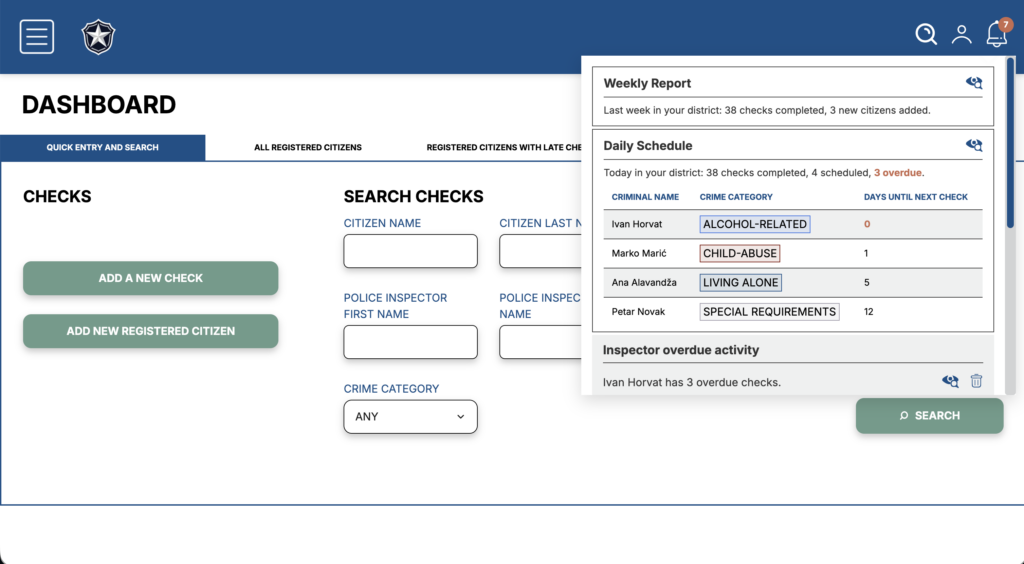
The system was designed to provide role-based visibility across different organizational layers.
Each level – operations, management, and leadership – accesses the same data from different contextual perspectives.
Centralized Information Management
Operational data was consolidated from multiple disconnected tools into a single structured system.
This created a unified source of truth and eliminated fragmentation across workflows.
Auditability and Accountability
All actions, updates, and reporting activities were structured to ensure traceability across the system.
This improved accountability and made operational history transparent and verifiable.
Key Deliverables
During the planning and architecture phase, the project included:
- Operational workflow analysis
- Reporting framework design
- Role and permission architecture
- Information flow mapping
- Platform architecture planning
- Data structure design
- Dashboard strategy
- Scalability planning
These deliverables established a clear foundation for both implementation and future expansion.
Technical Approach
While the platform was designed around operational needs rather than technology, several technical principles guided development.
API-First Architecture
The platform was designed with extensibility in mind, allowing future integrations and external systems to connect without major architectural changes.
Modular System Design
Core functionality was separated into independent domains, improving maintainability and future scalability.
Flexible Permissions Model
The system supports varying levels of access and responsibility across organizational structures.
Long-Term Maintainability
The architecture prioritized clarity and extensibility to support future requirements as organizational needs evolve.
Outcome
The result was a structured operational platform capable of improving visibility across multiple levels of the organization.
Key benefits included:
Improved operational transparency
Faster access to critical information
Standardized reporting processes
Reduced manual administration
Better organizational oversight and Stronger accountability
Scalable system foundations
Most importantly, decision-makers gained access to more reliable information, enabling faster and more informed decisions.
Lessons Learned
Operational visibility is rarely a technology problem.
More often, it is a systems problem.
Organizations frequently possess the necessary information but lack the structure required to transform that information into actionable insight.
By focusing first on workflows, reporting structures, and organizational responsibilities, the platform was able to solve underlying process challenges rather than simply digitizing existing inefficiencies.
Final Thoughts
Successful internal platforms are not measured by the number of features they contain.
They are measured by the clarity they provide.
Project Sentinel demonstrates how structured reporting, centralized visibility, and scalable architecture can transform fragmented operational processes into a unified decision-making system.
The result is not just better reporting.
It is better organizational awareness, stronger accountability, and more confident decision-making at every level.
GET STARTED
BUILDING SOMETHING AMBITIOUS?
Let’s design and build a digital product system that is ready to scale.