


Business process digitalization is about turning complex, manual, or fragmented workflows into clear, reliable digital systems. We help organizations replace spreadsheets, emails, paper processes, and disconnected tools with applications that reflect how work is actually done.
Many of our projects in this area are covered by NDAs, but the challenges they solve are similar across industries: data scattered across systems, unclear responsibilities, slow approvals, and a lack of real-time insight. Our role is to bring structure, automation, and transparency.
We typically build these solutions as custom web applications, using PHP (Symfony + API Platform) on the backend and React.js or Next.js on the frontend.
What’s included
Analysis of existing processes and pain points
Role-based access and permissions
Process mapping and logic definition
Data validation, auditability, and security
Digital workflow design and optimization
System integrations where needed
Custom UI/UX design for internal users
Deployment, training, and handover
Backend development with Symfony and API Platform
Long-term maintenance and iteration
Frontend development with React.js or Next.js
Need your processes digitized?
Case study
Due to confidentiality requirements, we can’t publicly share specific client names or detailed implementations. Instead, the following sections describe real-world digitalization patterns we’ve delivered across multiple projects in regulated and process-heavy environments.
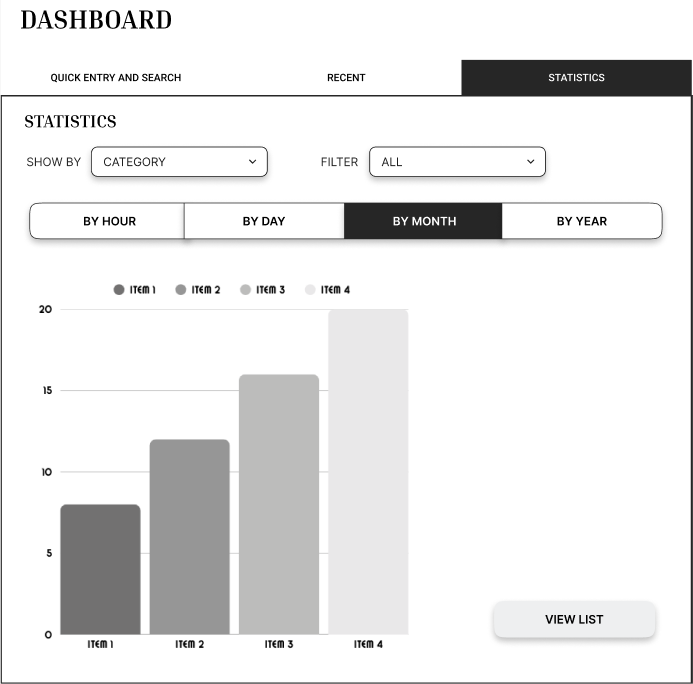
The designs and prototypes you see below are not a part of any project or client design.
Feature highlights
Structured workflows and decision logic
At the core of most digitalization projects is clearly defined business logic that removes ambiguity from daily operations.
-
Step-based workflows with clearly defined states
-
Rule-based transitions, validations, and approvals
-
Automatic enforcement of business rules
-
Reduced reliance on manual checks and ad-hoc communication
This creates consistency across teams and ensures processes are followed correctly every time.
Role-based systems and controlled access
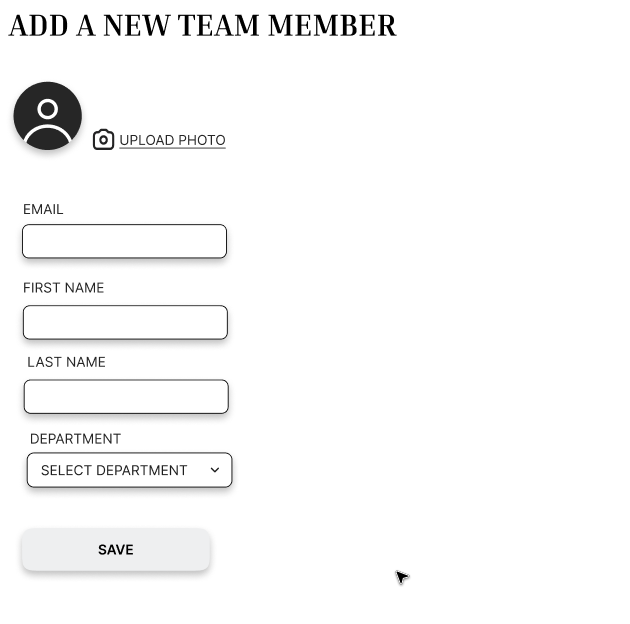
Digital processes often involve multiple roles with different responsibilities and permissions.
-
Role-based access control tailored to organizational structure
-
Different views and actions depending on user role
-
Clear ownership and accountability within the system
-
Secure handling of sensitive data
This allows complex organizations to operate within a single system without exposing unnecessary information.
Technical implementation
Backend
-
Symfony-based backend with API Platform
-
Centralized business logic and workflow enforcement
-
Robust data models reflecting real-world processes
-
Audit-friendly data structures and change tracking
-
Secure authentication and authorization layers
Frontend
-
Interfaces designed for frequent, daily use
-
Clear, utilitarian UI focused on speed and clarity
-
Responsive layouts for desktop and field usage
-
Real-time feedback and validation to reduce errors
Other project activities
Design
-
UX-first approach for non-technical users
-
Design systems optimized for complex forms and data-heavy views
-
Focus on clarity over visual noise
Finished project & result
The end result is a digital system that replaces uncertainty with structure.
-
Processes are faster, clearer, and easier to follow
-
Errors and inconsistencies are reduced
-
Teams gain real-time visibility into ongoing work
-
Management gains better oversight and reporting
These projects demonstrate how well-designed digital systems can become core operational tools, especially in environments where accuracy, accountability, and consistency matter.
Let’s talk
If you’re dealing with complex internal processes or legacy workflows that no longer scale, we can help you digitalize them step by step.
Get in touch to:
-
Discuss your current processes
-
Identify opportunities for automation and simplification
-
Define a realistic digitalization roadmap