Building a structured digital product platform for curated commerce

A structured digital platform combining commerce, content, and product storytelling into a single cohesive experience.

Overview

Project name: Verdura Box

This is a case study used to demonstrate structured commerce platform design and content-driven e-commerce architecture.

Modern e-commerce systems tend to prioritize transactions over context.

As product catalogs grow, items become disconnected from their origin, seasonal logic, and producer narrative, resulting in a purely transactional experience with low differentiation.

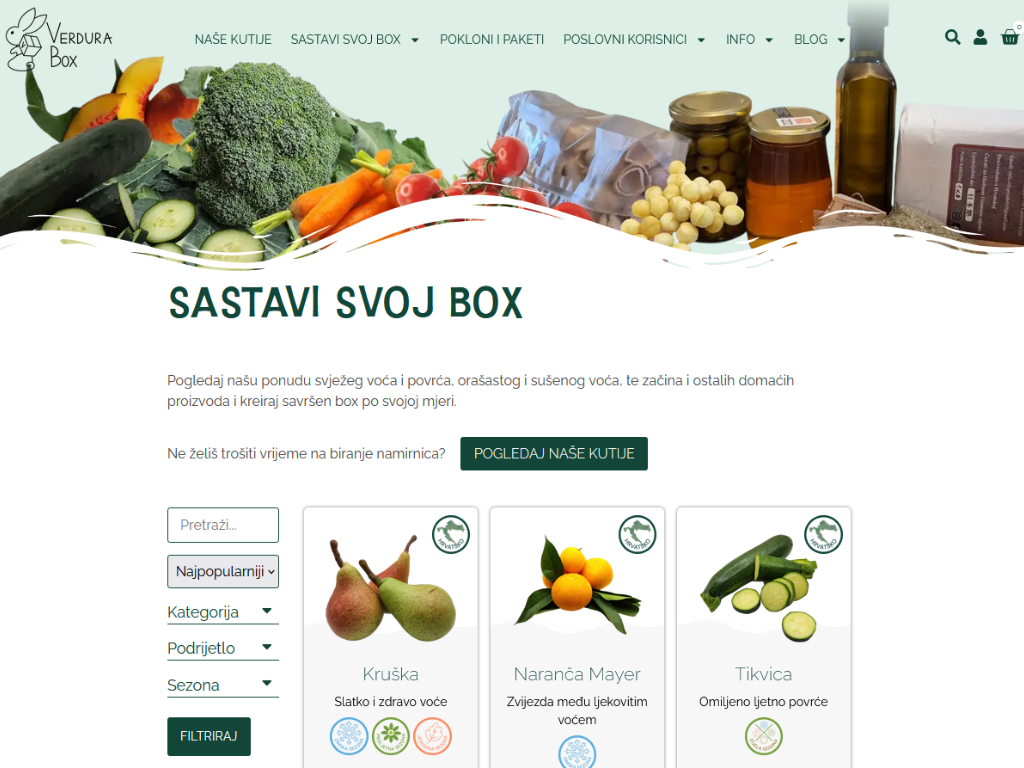
Verdura Box was designed as a curated commerce platform focused on structure, transparency, and product storytelling.

The objective was not to increase the number of products available, but to increase the informational and experiential value of each product interaction.

The Challenge

Most e-commerce platforms struggle to create meaningful product context.

As a result, users experience commerce as a flat catalog rather than a structured discovery process.

Common issues include:

  • Generic product listings with minimal differentiation
  • Lack of visibility into origin, seasonality, and sourcing
  • Weak connection between products and user intent
  • Over-reliance on price as the primary decision factor
  • Disconnected browsing and checkout experiences

The core challenge

was to transform product discovery into a contextual, story-driven experience without breaking transactional efficiency.

System Goals

The platform was designed around four core objectives.

This included:

  • Structure product data beyond simple catalog entries
  • Integrate storytelling directly into commerce flows
  • Enable curated and dynamic product composition
  • Support scalable producer and inventory onboarding

Every design decision followed a single principle:

Does this improve product understanding or reduce it to a commodity?

Designing the Curated Commerce System

The system was structured around a content-commerce hybrid architecture.

To achieve this, several key architectural decisions were made.

Unified Product Data Layer

All products were normalized into a structured entity model containing origin, seasonality, and availability rules. Each product also includes attributes such as category, nutrition, and usage context. This ensures every item carries both functional and contextual meaning.

Curated Box Engine

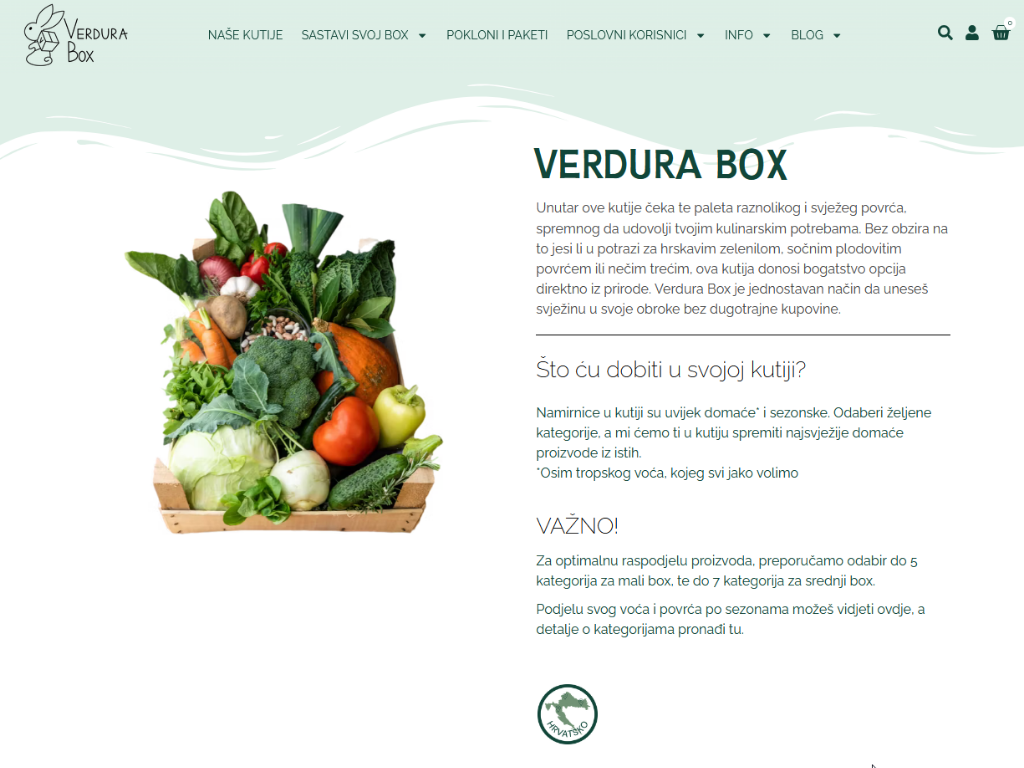
Instead of static carts, the system generates dynamic curated bundles. Composition is driven by rules such as seasonality, category balance, and stock availability. Operators can also manually curate boxes, while substitution logic maintains consistency when inventory changes. This shifts purchasing into structured composition.

Content-Commerce Integration Layer

Product pages combine commerce and content in a single unit. Each product includes origin storytelling, producer information, and usage context. Editorial content is directly linked to live inventory, making discovery part of the buying flow.

Operational System Layer

A back-office system manages inventory, curation, and fulfillment. Inventory is synchronized across producers, while operators configure and adjust curated boxes. Orders are batched for processing, and producers pass through a structured onboarding flow. This enables scalable curated commerce operations.

Key Design Principles

During the planning and architecture phase, the project included:

  • Structure before listing
  • Context before transaction
  • Curation before scale
  • Narrative before commodity
  • System logic before interface

These principles ensured the platform remained differentiated from traditional e-commerce systems.

Outcome

The resulting system provides:

A structured commerce experience instead of a flat catalog

Higher perceived value through product context and origin

Improved differentiation for local and seasonal goods

Scalable framework for curated product expansion

Stronger alignment between producers, products, and users

Scalable system foundations

Verdura Box demonstrates how structured commerce can shift e-commerce from transactional browsing to contextual discovery.

Lessons Learned

E-commerce platforms are not product catalogs – they are meaning systems.

If products are not structured around meaning, they collapse into commodities regardless of quality.

When products are decontextualized, price becomes the only differentiator.

Final Thoughts

Project Verdura Box demonstrates a structured approach to commerce architecture centered on curation, transparency, and product storytelling.

By aligning product data, content, and curation logic into a unified system, the platform transforms traditional e-commerce into a guided discovery experience.

This approach does not scale by increasing inventory – it scales by increasing product meaning.

GET STARTED

BUILDING SOMETHING AMBITIOUS?

Let’s design and build a digital product system that is ready to scale.